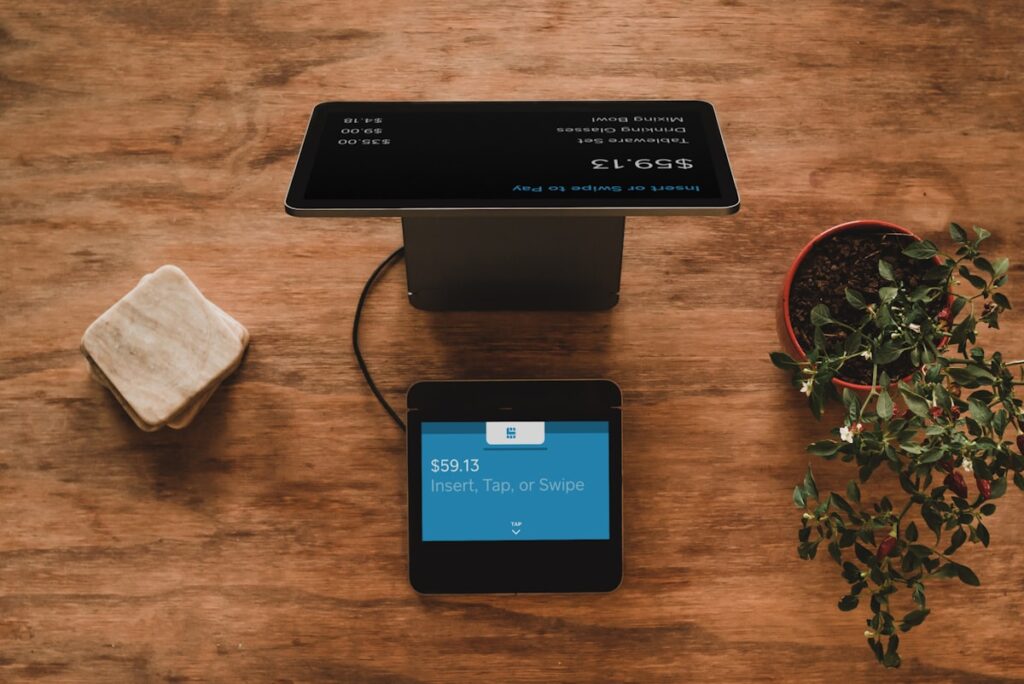
MGMA benchmarking and HFMA survey data consistently show that practices collecting copays at the time of service lift overall patient collection rates 30 to 40 percent compared to practices that bill copays after the visit. The math is straightforward. A copay collected at check-in goes directly to receivables. A copay billed afterward enters the same statement workflow that everyone underperforms on, with patient response rates that drop sharply as time passes. For most outpatient practices, point-of-service collection is the single highest-impact front-end change available, and 2026 is the right year to formalize it as patient financial responsibility climbs alongside Medicaid churn, deductible increases, and higher-deductible commercial plans.
Why post-visit copay billing underperforms
Once the patient leaves the office without paying the copay, the practice enters a sequence of patient statements, follow-up calls, and (for unresponsive accounts) eventual write-off or collections referral. Each step costs time and money. The collection rate on copays billed after the visit typically falls in the 50 to 65 percent range across most practice types. The same copays collected at check-in collect at 95 percent or higher. The 30-plus percentage point gap is not the patient’s ability to pay; it is the friction of asking after the moment has passed. Patients who would have paid at check-in often do not respond to a statement that arrives weeks later.
The copay-and-deductible verification workflow
The workflow that makes point-of-service collection routine starts at scheduling. Eligibility verification confirms the copay amount and the deductible status at scheduling, then again 24 to 48 hours before the appointment, and then at check-in. A consistent message at each touch tells the patient what they owe and that the practice expects payment at check-in. By the time the patient arrives, the conversation is not a surprise; it is a confirmation. Practices that surprise patients with a copay request at check-in see roughly half the collection rate of practices that have warmed the patient up over multiple touches.
Card on file for high-deductible plans
For patients on high-deductible health plans, the copay-only workflow understates expected patient responsibility. The deductible portion of the visit is often the larger payment, and it cannot be calculated until the claim adjudicates. The fix is a card-on-file program that the patient consents to at check-in, with a written agreement to charge an estimated patient responsibility amount within a defined window after adjudication. Card-on-file programs collect deductible portions at 90 percent or higher, compared to the 40 to 50 percent collection rate on post-visit deductible statements. The PCI-compliant infrastructure must use tokenization, not stored card numbers in the practice management system.
Staff training and the comfort gap
The most common practice-side barrier to point-of-service collection is staff discomfort with asking for money. Front-desk training that includes role-playing the copay conversation, scripted responses to common patient objections, and clear escalation paths for patients who refuse payment removes most of the friction. Practices that train front-desk staff once and never revisit see collection rates drift downward over time as staff revert to passive habits. Practices that refresh training quarterly and audit collection rates by staff member catch the drift early. The script that works best is non-judgmental, practical, and tied to the financial counseling resources available for patients who need them.
Scenarios that override the default
A few scenarios call for adjusting the default workflow. Emergency or urgent visits should not be conditioned on payment; the practice provides the visit and bills afterward. Patients with documented financial hardship who qualify for the practice’s financial assistance program should be moved into that workflow, not asked for full copay. New patients without verified eligibility should pay an estimated amount with the understanding of refund or balance billing once eligibility is confirmed. Each scenario needs a written exception protocol so staff know when to deviate.
Tracking and accountability
The practices that do this well track point-of-service collection rate as a daily and weekly metric, by location and by staff member. They publish the metric to the front-desk team. They review reasons for missed collections (patient refused, system was down, eligibility could not be verified, exception applied). The accountability is data-driven, not blame-driven. Within 60 to 90 days of consistent tracking, most practices see point-of-service collection rate climb from below 50 percent to above 90 percent for copays. Deductibles trail at first; with card-on-file in place, they catch up over the following quarter.
How MHB helps practices stand up POS collection
For practices that want point-of-service copay collection, card-on-file infrastructure, and PCI-compliant payment processing tied to their existing PMS, our team supports end-to-end patient payment processing, with eligibility-driven copay confirmation, card tokenization, and reporting on collection rates by location and staff.
The bottom line
The biggest single opportunity in patient revenue is the copay collected at check-in versus the copay billed afterward. The infrastructure is straightforward: eligibility verification, card-on-file for high-deductible plans, staff training, and tracking. Practices that build it lift overall collection rates within a quarter. Practices that handle copays as billable items watch the same dollars age into bad debt month after month.
Authoritative sources
This article cites the following primary sources for billing-code and regulatory guidance. Always confirm current rules and codes with the publishing authority before applying to a specific claim.