Pediatric dental billing · Medicaid + commercial

Pediatric dental billing built for tiny patients and big claim volume.

State Medicaid quirks, sealant frequency limits, fluoride varnish under medical, behavior management codes, and parental coordination of benefits. The pediatric dental claim is its own animal. We bill it like one.

State-by-state Medicaid map CDT pediatric specialty codes Fluoride varnish crossover
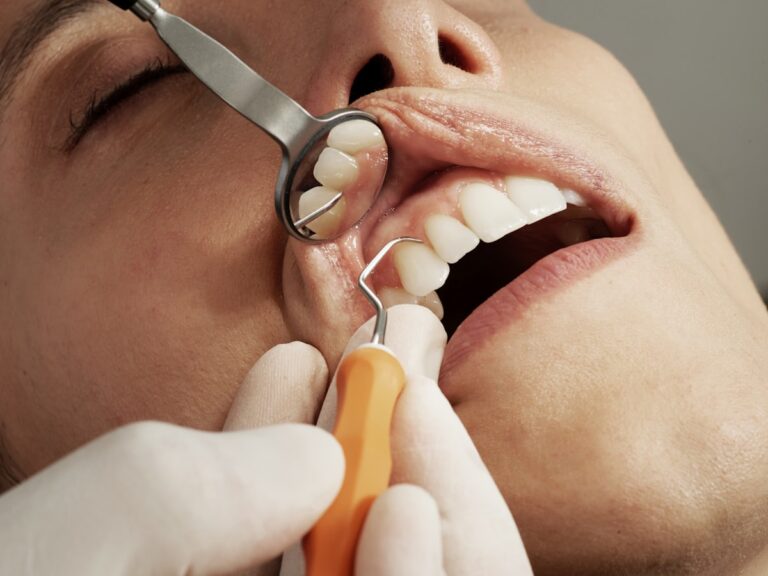
Pediatric dental practice serving young patients
Pediatric-specific workflow

What pediatric dental practices need that general dental billing services miss

State Medicaid programs handle pediatric dental very differently from commercial plans. The same sealant on the same tooth can be a clean payment in one state and a denial in another.

State Medicaid pediatric rules

Texas Medicaid, California Medi-Cal, Florida Medicaid, NY Medicaid, Pennsylvania CHIP each have different code coverage, frequency limits, and prior auth thresholds for pediatric dental. We maintain a state-specific rules grid.

Sealant and fluoride coding

D1351 (sealants per tooth) frequency limits vary. D1206 and D1208 for fluoride. 99188 when fluoride varnish billed under medical. Crossover billing nets revenue most pediatric practices miss.

Behavior management coding

D9920 behavior management for kids who need extra time, restraint techniques, or N2O sedation. Documenting the why is essential. We coach providers on chart language so these get paid.

Parental COB handling

Parents on different insurance plans, custody arrangements that affect coverage, and birthday rule confusion drive a lot of pediatric denials. We handle COB rigorously up front.

Hospital and OR billing crossover

Pediatric dental treatment under general anesthesia in hospital or ASC settings requires medical-side billing for facility and anesthesia, dental-side for treatment. We handle both sides of the claim.

EPSDT and Bright Futures

Early and Periodic Screening, Diagnostic, and Treatment (EPSDT) services for Medicaid kids, plus AAP Bright Futures preventive billing under medical. We code visits to capture every covered preventive service.

Pediatric dental FAQ

What pediatric dental practice owners ask

Honest answers about Medicaid, frequency limits, and the operational realities of billing for kids.

Why is pediatric dental billing harder than adult?

Three reasons. State Medicaid programs cover most pediatric dental visits, and each state has its own rule set. Frequency limits on sealants, exams, and prophy are stricter and vary by age band. Coordination of benefits with two parental plans is common. Adult dental practices rarely deal with these together; pediatric practices deal with them every day.

Do you handle every state's Medicaid program?

We work with all state Medicaid programs and most Medicaid managed care organizations. Each state's code coverage, prior auth thresholds, and reimbursement schedules are different; we maintain a state-by-state rules grid that drives claim flow. If your practice serves multiple states (telehealth or multi-location), we handle the full footprint.

Can fluoride varnish really be billed under medical?

Yes. CPT 99188 covers application of topical fluoride varnish by a physician or qualified provider, and most state Medicaid programs reimburse it under the well-child medical benefit. For pediatric dental practices that have a medical-side relationship, this is meaningful additional revenue. For dental-only practices, we bill D1206 or D1208 on the dental side.

How do you handle the birthday rule for COB?

When a child is covered under both parents' insurance, the parent whose birthday falls earlier in the calendar year is primary, regardless of age. Custody decrees can override. We capture both insurance cards and the legal arrangement at intake, file primary and secondary in the right order, and handle COB denials up front rather than on appeal.

Do you bill pediatric treatment performed under general anesthesia?

Yes, both sides. The dental treatment goes on a dental claim with appropriate D-codes; the facility (hospital outpatient, ASC) and anesthesia (CPT 00170 for intraoral procedures) go on a medical claim with ICD-10 documenting medical necessity (typically uncooperative behavior, age, or extensive treatment need). We coordinate both submissions.

What about silver diamine fluoride?

SDF (D1354) is reimbursed by some state Medicaid programs and a growing number of commercial plans, especially for very young patients. Coverage is patchy. We check each plan's policy before treatment and submit with appropriate clinical justification when not on the standard fee schedule.

How do you reduce write-offs on Medicaid claims?

Two ways. Front-end: real-time eligibility before each visit, prior auth where required, accurate code selection at charge entry. Back-end: appeal Medicaid denials within the state's timely filing window (usually 90 to 180 days), document medical necessity for non-covered services, and use EPSDT exception language for kids when applicable.

Free, no-obligation

See what your practice is leaving on the table.

30-minute free billing audit. We'll surface the leaks (undercoding, denials never appealed, eligibility errors) and quantify the dollars you can recover this quarter.

What you get

  • A line-by-line review of your last 90 days of claims
  • Specialty benchmark on clean-claim ratio & days in A/R
  • A written estimate of recoverable revenue this quarter
  • Zero pressure. Zero commitment.