
In today’s rapidly evolving dental industry, efficient billing processes are paramount. Dental practices must navigate the complexities of insurance claims, patient billing, and revenue cycle management to maintain financial health. This guide delves into the intricacies of dental billing services, offering insights into best practices, software solutions, and the benefits of outsourcing.
Understanding Dental Billing Services
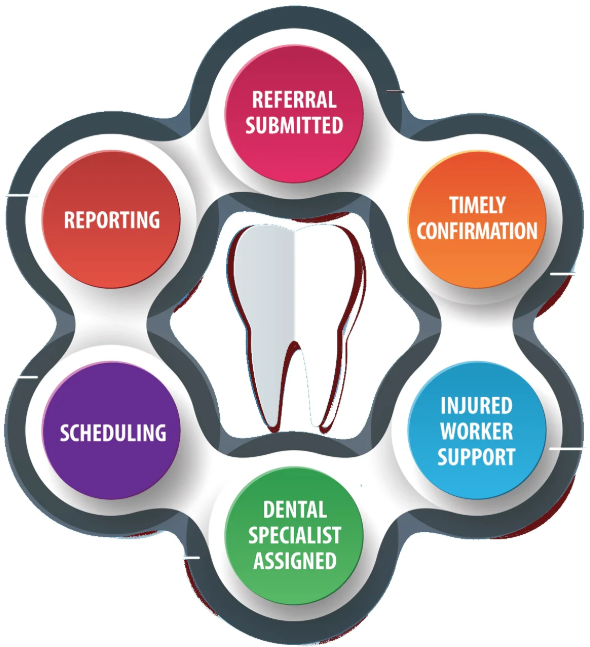
Dental billing services encompass the systematic process of submitting and following up on insurance claims, as well as managing patient invoices. Effective billing ensures timely reimbursements, minimizes errors, and enhances the overall financial stability of a dental practice.
Key Components of Dental Billing
- Patient Information Management: Accurate collection and maintenance of patient demographics and insurance details.
- Insurance Verification: Confirming patient eligibility and coverage specifics before procedures.
- Procedure Coding: Utilizing correct dental codes to represent services rendered.
- Claim Submission: Preparing and submitting claims to insurance companies promptly.
- Payment Posting: Recording payments received from insurers and patients.
- Accounts Receivable Management: Monitoring outstanding balances and following up on unpaid claims.
- Compliance and Reporting: Adhering to regulatory standards and generating financial reports for analysis.
Benefits of Outsourcing Dental Billing Services
Outsourcing dental billing to specialized companies offers several advantages:
- Expertise: Access to professionals well-versed in the latest billing codes and regulations.
- Cost Savings: Reduces overhead costs associated with in-house billing staff and training.
- Improved Cash Flow: Accelerates the revenue cycle through efficient claim processing.
- Focus on Patient Care: Allows dental practitioners to concentrate on clinical responsibilities rather than administrative tasks.
Selecting the Right Dental Billing Company

When choosing a dental billing service provider, consider the following factors:
- Experience and Reputation: Look for companies with a proven track record in dental billing.
- Technology Integration: Ensure compatibility with your existing practice management software.
- Transparent Pricing: Understand the fee structure and any additional costs.
- Customer Support: Evaluate the availability and responsiveness of their support team.
- Compliance: Verify adherence to HIPAA and other regulatory requirements.
At MyHealthcareBilling.com, we excel in providing top-tier dental billing services tailored to meet your practice’s unique needs. With our experienced team, state-of-the-art technology, and commitment to transparency and compliance, we ensure your billing processes are seamless and stress-free. Partner with us to enhance your revenue cycle and focus more on delivering exceptional patient care. Visit MyHealthcareBilling.com today to learn more and schedule a consultation!
Top Dental Billing Software Solutions
Implementing robust billing software can streamline operations. Notable options include:
- Dentrix: Offers comprehensive tools for billing, scheduling, and patient management.
- Eaglesoft: Integrates clinical and financial data for seamless practice management.
- Open Dental: An open-source solution customizable to specific practice needs.
- Curve Dental: Cloud-based software providing access to billing information from anywhere.
Revenue Cycle Management in Dentistry

Revenue Cycle Management (RCM) is the process of overseeing the financial aspects of patient care, from appointment scheduling to final payment. Effective RCM in dental practices involves:
- Pre-authorization: Securing approval from insurers before performing procedures.
- Charge Capture: Accurately recording services provided for billing.
- Claim Management: Tracking claims through their lifecycle to ensure timely reimbursement.
- Denial Management: Identifying and rectifying reasons for claim denials to prevent future occurrences.
Common Challenges in Dental Billing
Dental practices often face hurdles such as:
- Coding Errors: Incorrect procedure codes leading to claim denials.
- Insurance Complexities: Navigating varying policies and coverage limitations.
- Patient Payment Delays: Challenges in collecting co-pays and outstanding balances.
- Regulatory Changes: Keeping abreast of evolving billing regulations and compliance standards.
Strategies to Optimize Dental Billing Processes
To enhance billing efficiency:
- Regular Training: Keep staff updated on coding practices and insurance policies.
- Audit and Monitor: Conduct periodic reviews of billing processes to identify and address inefficiencies.
- Leverage Technology: Utilize advanced software for automation and error reduction.
- Clear Communication: Educate patients about their financial responsibilities and payment options.
Frequently Asked Questions (FAQs)
Q1: What is dental billing?
A1: Dental billing involves the process of submitting and following up on claims with health insurance companies to receive payment for services provided by a dentist.
Q2: Why should a dental practice consider outsourcing billing services?
A2: Outsourcing can lead to cost savings, access to specialized expertise, improved cash flow, and allows the dental team to focus more on patient care.
Q3: How does dental billing software benefit a practice?
A3: Billing software streamlines the billing process, reduces errors, ensures compliance, and integrates with other practice management systems for efficiency.
Q4: What is Revenue Cycle Management (RCM) in dentistry?
A4: RCM refers to the financial process that healthcare facilities use to track patient care episodes from registration and appointment scheduling to the final payment of a balance.
Q5: How can a practice reduce claim denials?
A5: By ensuring accurate coding, verifying insurance details beforehand, and staying updated with the latest billing regulations, practices can minimize claim denials.
Conclusion
Efficient dental billing is crucial for the financial health of dental practices. By understanding the components, benefits, and challenges of dental billing services, and by implementing best practices and modern software solutions, practices can ensure a smooth revenue cycle and focus more on delivering quality patient care.